Unveiling the Artistry and Craftsmanship of Musha Katana Swords
The world of Japanese swords is steeped in rich history and tradition, captivating enthusiasts and collectors alike. Among the myriad options available, Musha Katana swords stand out as a testament to both artistry and functional design. These swords, often revered for their exceptional craftsmanship, represent not just weapons, but also pieces of cultural heritage that embody the spirit of the samurai. Understanding the nuances of Musha Katana swords can greatly enhance one’s appreciation, whether you are a seasoned collector or a newcomer to the world of Japanese blades.
Every Musha Katana sword is a product of meticulous craftsmanship, drawing on centuries of tradition and skill. The forging process is a blend of art and science, where expert artisans apply age-old techniques to create blades that are both visually stunning and remarkably durable. As you delve deeper into the characteristics of Musha Katana swords, you will discover the intricate details that set these weapons apart, from the choice of materials to the forging methods used. This knowledge not only enriches your understanding but also informs your choices when considering a purchase.
Moreover, the significance of Musha Katana swords extends beyond their physical attributes; they are imbued with stories and symbolism that resonate with the legacy of the samurai. Each sword carries a narrative that reflects the values of honor, courage, and discipline, making them meaningful artifacts for collectors. As we explore various aspects of Musha Katana swords, we will uncover their historical context, the craftsmanship involved, and the considerations to keep in mind when selecting a sword for your collection.
A Closer Look at Musha Katana Craftsmanship
The craftsmanship behind Musha Katana swords is a remarkable blend of traditional methods and modern innovation. Artisans often begin with high-quality steel, sometimes using a process known as tamahagane, which is created from iron sand. This steel is then folded multiple times to eliminate impurities and create layers that enhance the blade's strength and flexibility. The end result is a blade that not only holds a sharp edge but also exhibits a beautiful grain pattern, known as hada, which is highly sought after by collectors.
In addition to the steel, the heat treatment process plays a crucial role in the sword’s performance. The blade undergoes differential hardening, where specific sections are heated and cooled at different rates. This technique results in a hard edge for cutting, paired with a softer spine that allows for flexibility and resilience. Understanding this process can help collectors appreciate the technical expertise involved in creating each Musha Katana sword.
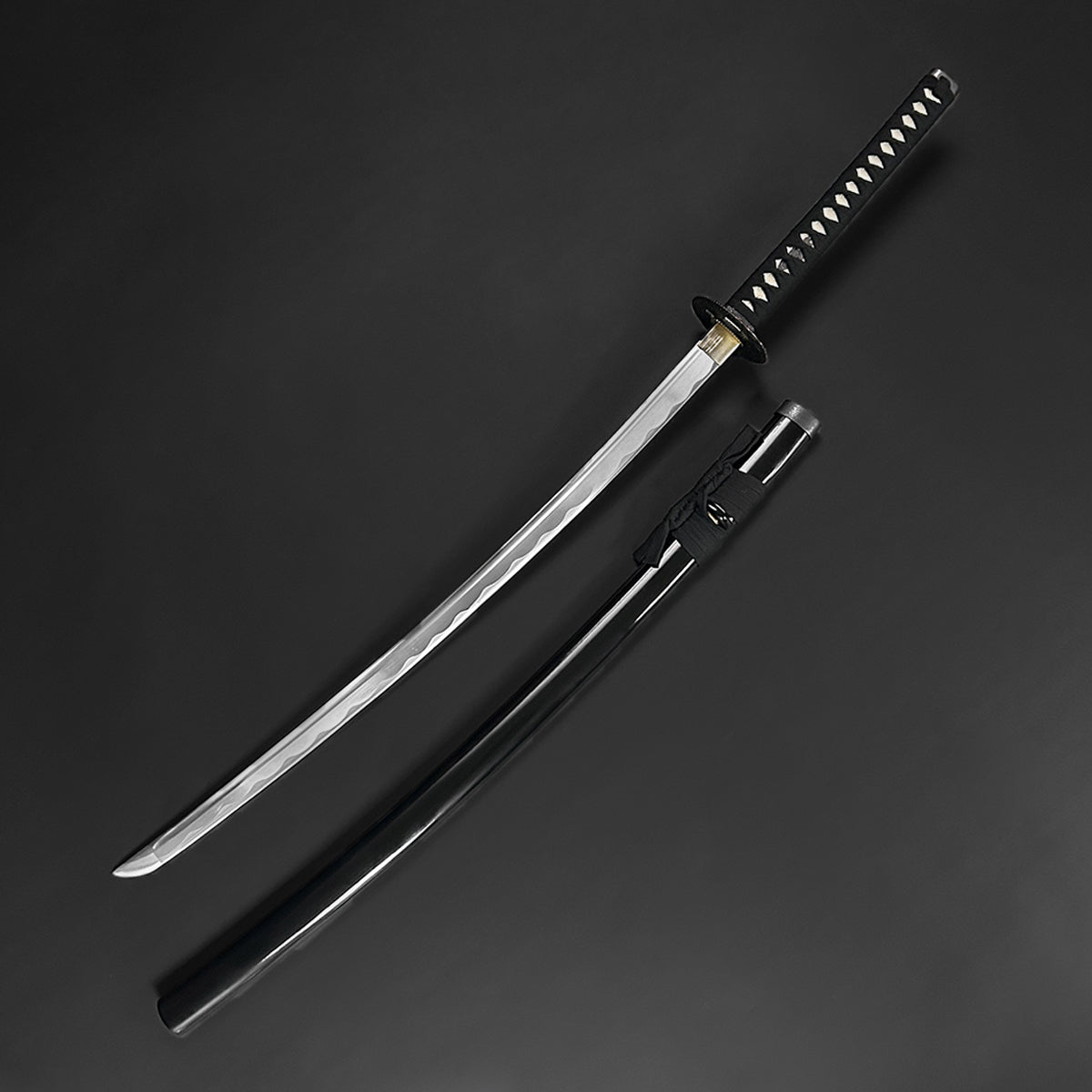
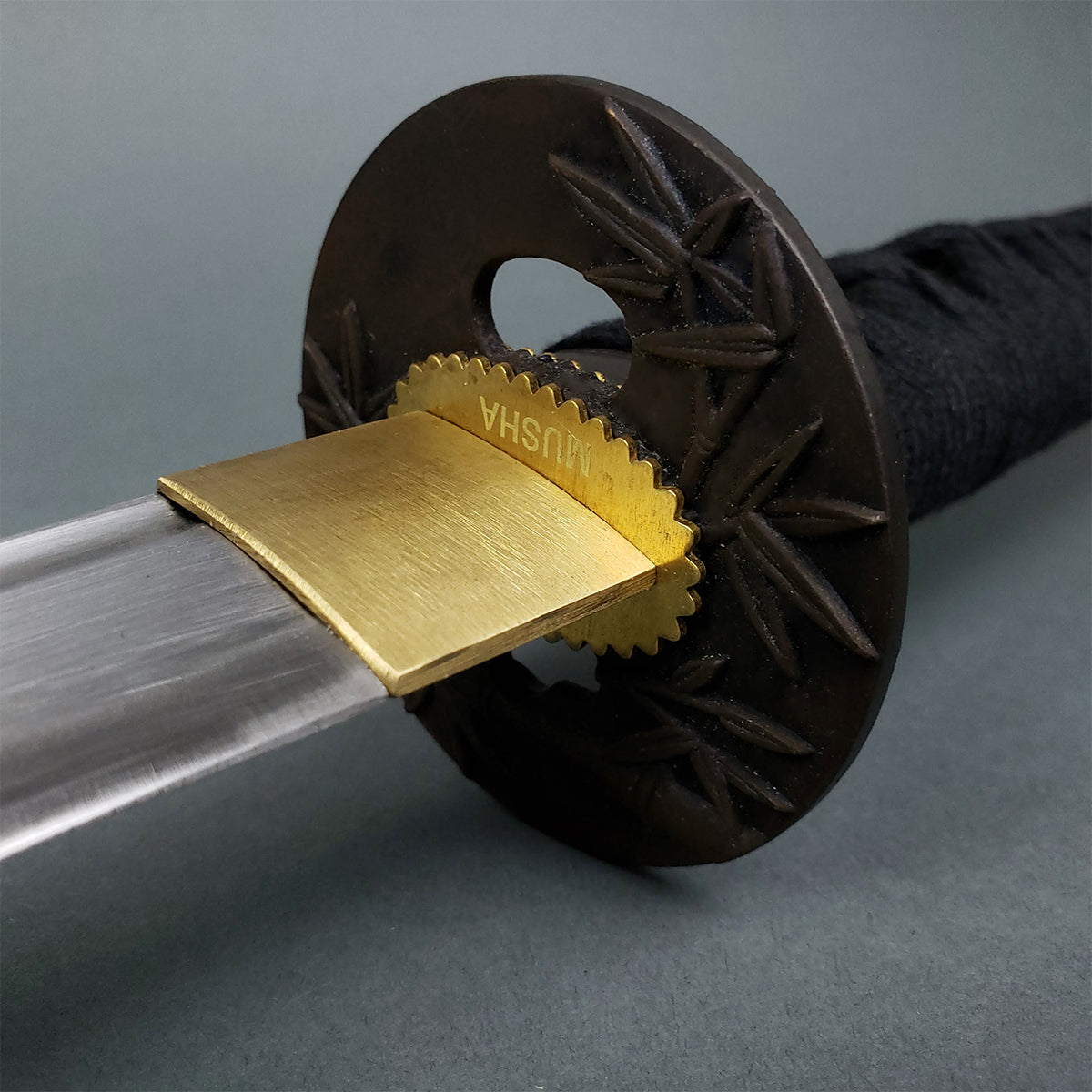
Moreover, the aesthetic elements of Musha Katana swords, such as the tsuka (handle) and tsuba (guard), are crafted with equal care. The tsuka is often wrapped in traditional materials like cotton or silk, featuring intricate designs that reflect the owner's personality or heritage. The tsuba, which serves both functional and decorative purposes, can be found in various styles, from simple to highly ornate, showcasing the personal tastes of the artisan and the owner alike. This attention to detail is what elevates Musha Katana swords from mere tools to cherished works of art.
The Significance of Blade Geometry
Blade geometry is a critical aspect of Musha Katana swords that directly influences their performance. The shape of the blade affects how it interacts with the target, with variations in curvature and thickness offering different advantages. For instance, a more pronounced curvature allows for faster, slicing cuts, while a straighter blade can provide greater thrusting power. Understanding these geometric distinctions can guide enthusiasts in selecting a sword that suits their intended use, whether for display, practice, or combat.
Furthermore, the balance of the sword, determined by its weight distribution, is essential for maneuverability and control. A well-balanced Musha Katana sword facilitates smooth transitions during use, making it easier to perform complex techniques. Collectors should consider how the balance of a sword aligns with their personal preferences and physical capabilities, as this can greatly enhance their experience with the weapon.
Finishing Touches: Polishing and Etching
The finishing touches on Musha Katana swords, such as polishing and etching, contribute to their overall beauty and functionality. Polishing is not merely for aesthetic appeal; it also serves to enhance the blade’s performance. Experienced artisans use a series of stones, starting from coarse to fine, to achieve a mirror-like finish that highlights the blade's grain and sharpness. A well-polished blade can effectively reduce drag during cuts, leading to improved cutting efficiency.
Etching, on the other hand, adds a layer of personal expression to the sword. Many artisans incorporate symbols, names, or historical references into the blade's surface, providing a unique narrative to each piece. This customization allows collectors to own swords that not only perform well but also resonate with their personal stories and values.
The Historical Context of Musha Katana Swords
To fully appreciate Musha Katana swords, it is essential to understand their historical context. The katana has been an integral part of Japanese culture since the late Heian period, evolving through various eras to meet the demands of warfare and social change. Initially, these swords were designed for use by the samurai class, embodying the principles of bushido, or the way of the warrior. This code emphasized honor, loyalty, and martial prowess, which were critical to the samurai identity.

As Japan transitioned from a feudal society to a modern state, the role of the katana also evolved. During the Meiji Restoration in the late 19th century, the samurai class was disbanded, and the katana was relegated to a status symbol rather than a practical weapon. Despite this shift, the katana continued to symbolize Japanese culture and craftsmanship, leading to a resurgence in interest among collectors and enthusiasts in the 20th century. Today, Musha Katana swords are celebrated not only as functional weapons but also as artistic expressions of Japanese heritage.
Symbolism and the Spiritual Connection
Musha Katana swords carry deep symbolism that transcends their physical form. They are often viewed as embodiments of the spirit of the samurai, representing values such as discipline, honor, and the pursuit of excellence. In many cultures, swords are seen as extensions of their wielders, and this belief is particularly strong in Japanese tradition. The act of drawing a katana is considered a ritualistic practice, symbolizing the readiness to engage in battle and the commitment to the principles of bushido.
The spiritual connection to the sword extends to the process of its creation. Many artisans view their work as a sacred duty, pouring their skills and spirit into each blade. This connection is often reflected in the intricate designs and craftsmanship found in Musha Katana swords, which strive to honor both the material and spiritual aspects of the weapon. Collectors who appreciate this depth of meaning often find themselves more drawn to specific pieces that resonate with their own values and beliefs.
The Role of Musha Katana in Modern Martial Arts
In modern times, Musha Katana swords have found their place in various martial arts disciplines, such as kendo and iaido. Practitioners of these arts use the katana not only as a training tool but also as a means of connecting with the historical practices of their ancestors. The physical act of training with a Musha Katana sword allows individuals to embody the philosophies of martial arts, promoting mental discipline and physical fitness.
Moreover, the use of Musha Katana swords in martial arts has contributed to the preservation of traditional techniques and forms. As more enthusiasts take up these practices, the appreciation for the craftsmanship behind the swords grows, leading to a renewed interest in authentic, high-quality blades. This intersection of history, culture, and physical practice further enhances the significance of Musha Katana swords in today’s society. Musashi Sword Collection Musashi Katana
Choosing the Right Musha Katana Sword for Your Collection
Selecting a Musha Katana sword for your collection involves careful consideration of several factors. First and foremost, understanding the purpose of the sword is crucial. Are you looking for a piece for display, training, or perhaps a combination of both? Knowing your intentions will guide you in selecting a sword that meets your needs and aligns with your values as a collector.
Next, consider the materials and craftsmanship involved in the sword's creation. High-quality Musha Katana swords are often crafted from premium steel and exhibit meticulous attention to detail in both design and functionality. Researching reputable artisans and manufacturers can help you identify pieces that are not only beautiful but also offer excellent performance. Always look for authenticity markers, such as certificates or documentation that validate the sword's origin and craftsmanship.
Budget Considerations
Budget is another key factor when choosing a Musha Katana sword. Prices can vary significantly based on the materials, craftsmanship, and historical significance of the blade. Setting a clear budget allows you to narrow down your options and focus on pieces that provide the best value for your investment. Remember that investing in a quality sword can yield long-term satisfaction and value appreciation, especially if you choose a piece with historical or cultural significance.
Additionally, be mindful of ongoing maintenance costs. Quality Musha Katana swords require regular care to maintain their condition and performance. This includes proper cleaning, oiling, and storage to prevent rust and damage. Understanding these maintenance needs can help you make a more informed decision when selecting your sword and ensure its longevity in your collection.
Understanding Authenticity and Quality
Lastly, understanding authenticity and quality is paramount in the realm of Musha Katana swords. Look for swords that come with proper documentation, such as certificates of authenticity, which verify the craftsmanship and materials used. Engaging with reputable dealers who specialize in Japanese swords can also provide you with peace of mind, as they often have established relationships with artisans and can offer valuable insights into the quality of their offerings.
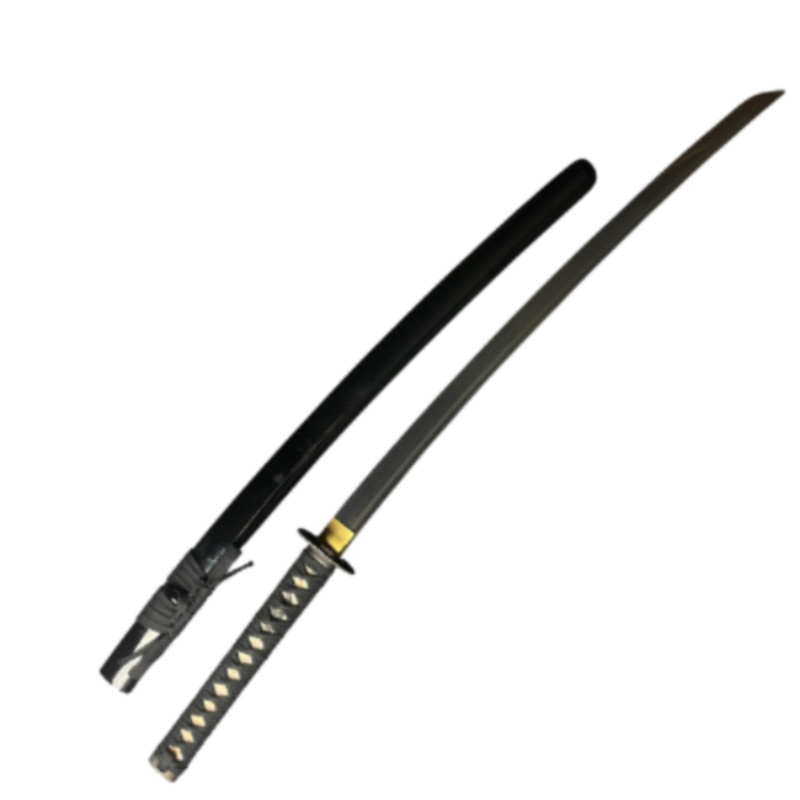
In addition to documentation, examining the sword in person, if possible, can provide you with a more tactile sense of its quality. Pay close attention to the details, such as the blade's finish, the tightness of the tsuka wrap, and the craftsmanship of the tsuba. These elements can indicate the level of care and skill that went into creating the sword, influencing your decision as a collector.
Table of Musha Katana Sword Characteristics
| Characteristic | Description | Importance |
|---|---|---|
| Blade Material | Tamahagane steel, often folded multiple times | Enhances strength and flexibility |
| Blade Length | Typically ranges from 2.5 to 3 feet | Influences handling and cutting ability |
| Hamon (Temper Line) | Visible line created during the differential hardening process | Aesthetic and indicative of quality |
| Tsuka (Handle) | Wrapped with traditional materials like silk | Comfort and grip during use |
| Tsuba (Guard) | Variety of designs from simple to ornate | Functional and decorative |
This table outlines key characteristics of Musha Katana swords, highlighting their significance in terms of craftsmanship and performance. By understanding these elements, collectors can make informed decisions when selecting pieces for their collections.
Pros and Cons
- Pros:
- Exceptional Craftsmanship: Musha Katana swords are renowned for their high-quality craftsmanship, making them valuable collectibles.
- Cultural Significance: Each sword embodies the rich history and cultural heritage of Japan, appealing to enthusiasts.
- Functional Performance: Designed for both display and practical use, these swords offer excellent cutting capabilities.
- Variety of Styles: A broad range of designs and materials allows collectors to find swords that match their personal taste.
- Cons:
- High Cost: Quality Musha Katana swords can be expensive, which may limit accessibility for some collectors.
- Maintenance Requirements: These swords require regular care and maintenance to preserve their condition.
- Authenticity Concerns: The market has counterfeit products, making it essential for buyers to ensure authenticity.
In evaluating the pros and cons of Musha Katana swords, it's essential to weigh the exceptional craftsmanship and cultural significance against the potential drawbacks, such as cost and maintenance requirements. For dedicated enthusiasts, the rewards of owning a well-crafted Musha Katana sword often far outweigh the challenges.
Frequently Asked Questions
- What is the ideal way to maintain a Musha Katana sword?
Maintaining a Musha Katana sword involves regular cleaning, oiling, and proper storage. Use a soft cloth to wipe the blade clean after each use, and apply a thin layer of oil to prevent rust. Store the sword in a dry place, ideally in its saya (scabbard), to avoid damage.
- Can Musha Katana swords be used for practice?
Yes, Musha Katana swords can be used for practice, especially in martial arts like iaido and kendo. However, it is crucial to choose a sword designed for training, as some may be better suited for display than for rigorous use.
- How can I tell if a Musha Katana sword is authentic?
Authenticity can be verified through documentation, such as certificates of authenticity, and by examining the craftsmanship details. Look for signs of quality, such as a well-defined hamon and tight tsuka wrap, as these can indicate a genuine sword.
Conclusion
In conclusion, Musha Katana swords represent a fusion of artistry, history, and functionality that continues to captivate enthusiasts and collectors worldwide. Understanding the craftsmanship, historical context, and the nuances of selecting the right sword can greatly enhance your appreciation for these remarkable pieces. Whether you are drawn to their cultural significance or their practical applications in martial arts, Musha Katana swords offer a unique connection to Japan's rich heritage. As you embark on your journey within this fascinating world, remember to consider authenticity, craftsmanship, and personal preferences to ensure that your collection resonates with your values and interests.

